
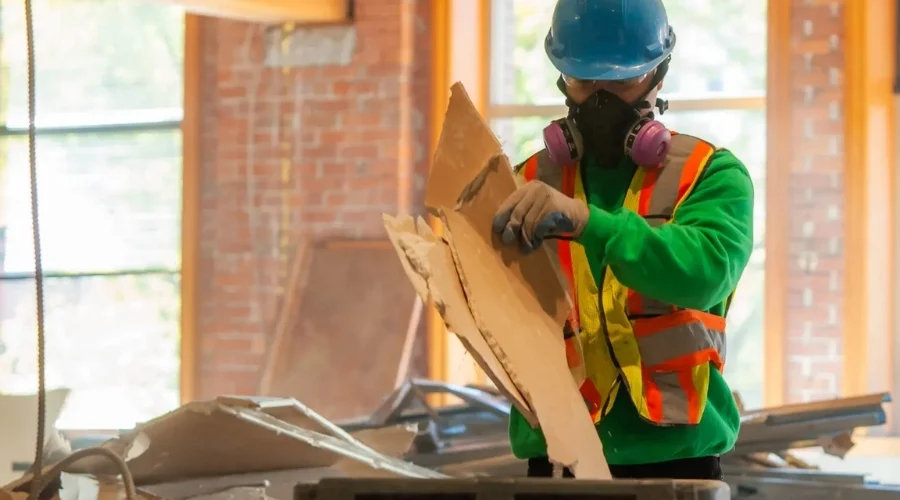
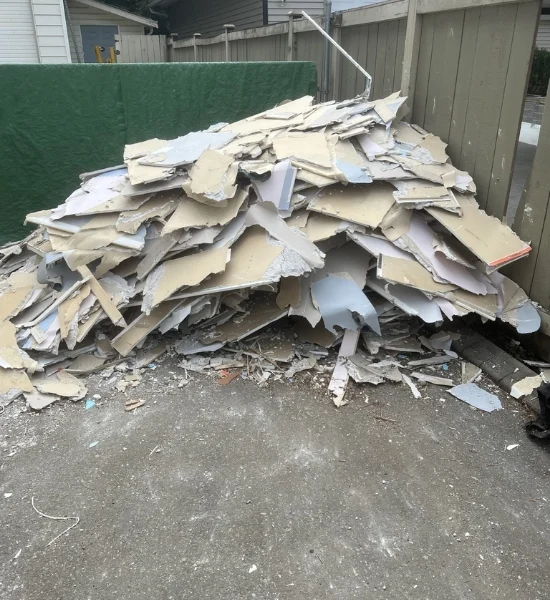
Anyone who has been through a renovation or construction project that involved drywall knows that the offcuts and broken sheets and dust that come with it are not something you just bag up and put out with the regular rubbish. It piles up fast, it is heavy when it accumulates and it creates a layer of fine dust that settles into everything around it if it sits there long enough. Most people underestimate how much drywall waste a single project generates until they are standing in the middle of it wondering how a job this size produced that much material to get rid of.
Getting it cleared out properly and quickly is what keeps the site functional and the project moving forward. Drywall waste left sitting around is never just an eyesore. It gets in the way of everything else that still needs to happen.
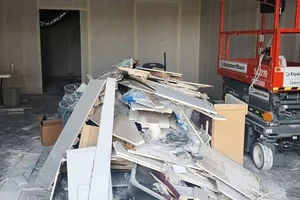
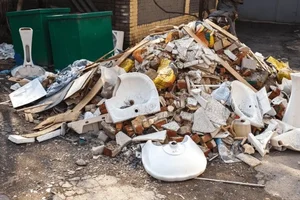
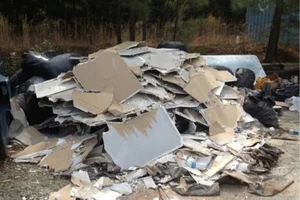
Every bit of drywall waste gets cleared off the site completely so nothing gets left behind to deal with after the job is done.
The sheets and offcuts are obvious. The dust is the part that catches people off guard. Drywall dust travels further than anyone expects and settles into surfaces that had nothing to do with the work being done. Getting it addressed as part of the removal rather than leaving it to linger is the difference between a site that is actually clean and one that just looks cleared until the dust starts showing up again a few days later.
Drywall removal that drags on slows down everything scheduled to come after it. The painters cannot start, the flooring crew cannot come in and the finishing work gets pushed back while waste sits in the way. Getting the clearance done fast keeps every trade on schedule and stops one cleanup job from becoming the bottleneck that derails the entire project timeline.
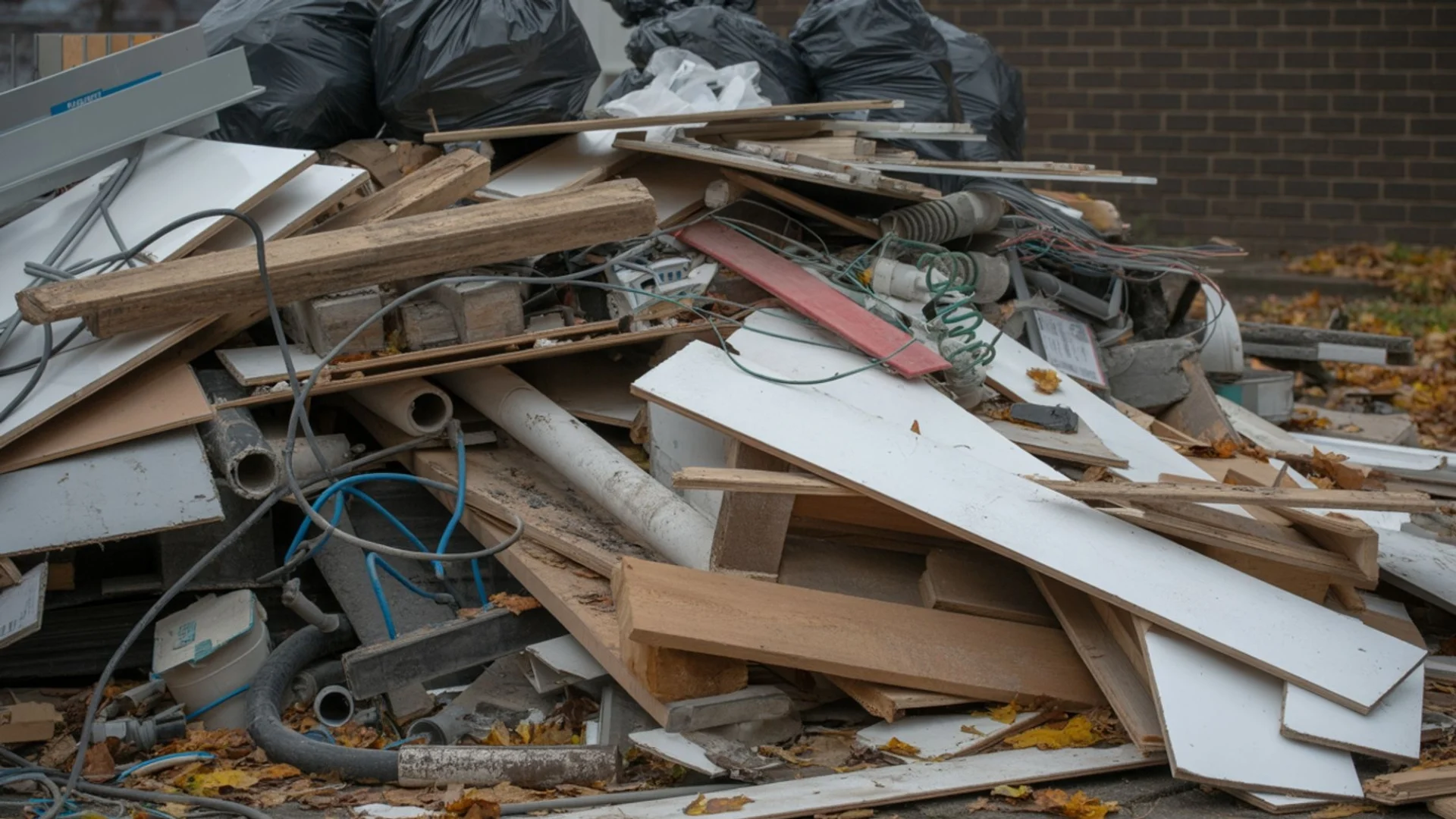
Renovation projects that involve tearing out existing drywall generate just as much waste as new installations and sometimes more. Older drywall can be heavier, more fragile, and more difficult to handle than new material, and it needs to come out completely before the new work can go in properly. We handle the removal of old drywall the same way we handle everything else, which is thoroughly and without leaving anything behind.
A site that stays clear of drywall waste throughout a project runs better for everyone working on it. Tradespeople work more efficiently, the risk of accidents from debris underfoot drops, and the finished project gets handed over without the cleanup still waiting to happen. Keeping the drywall waste moving off the site as the work progresses is one of the simplest ways to keep a construction project running the way it should.
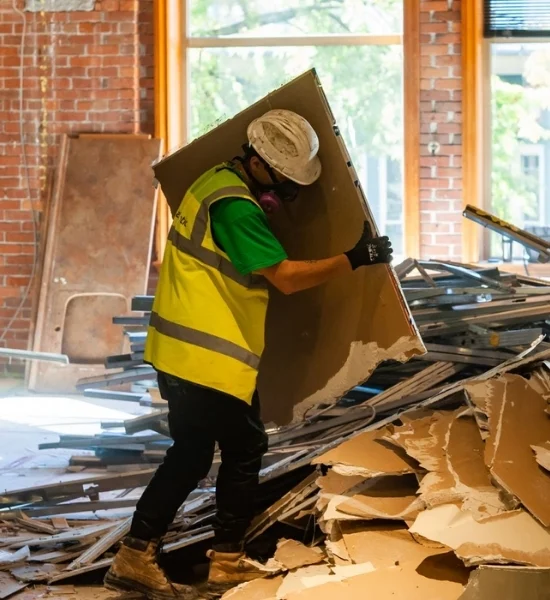
Drywall cannot go to the general landfill in most areas, and handling it incorrectly creates problems that outlast the project itself. Getting it disposed of through the right channels is part of what the job involves and it is something we take care of properly so that responsibility never lands on the wrong person at the wrong time.
Drywall waste sitting on a site does not shrink over time. We get in, load everything out and leave the site in a condition that is genuinely ready for whatever comes next rather than one that still has clearing left to do after we have gone.
Yes. Drywall dust is part of the clearance, not an afterthought. The site gets cleaned of dust and debris, as well as the larger material.
Absolutely. We work around whatever is happening on site and clear the drywall waste as it accumulates, so it never becomes an obstacle to the work still in progress.
Get in touch with the details, and we'll sort out the fastest available time. We understand that construction timelines do not have room for delays.
Yes. Old drywall from tearouts gets removed the same way as new waste. Age and condition do not change what needs to happen with it.
Through the proper channels for that material type. Drywall has specific disposal requirements, and we handle it accordingly rather than sending it where it should not go.
Get in touch with the volume you are working with, and we will confirm from there. We handle jobs of all sizes.
Yes. Residential renovation waste gets handled the same way as commercial and construction site clearances, regardless of the scale of the job.
Yes. Awkward spaces and tight access areas get handled carefully so everything comes out without causing damage to the surrounding work.
Based on the volume and type of material being removed. Get in touch with the details of the job and a straightforward quote gets sorted from there.