
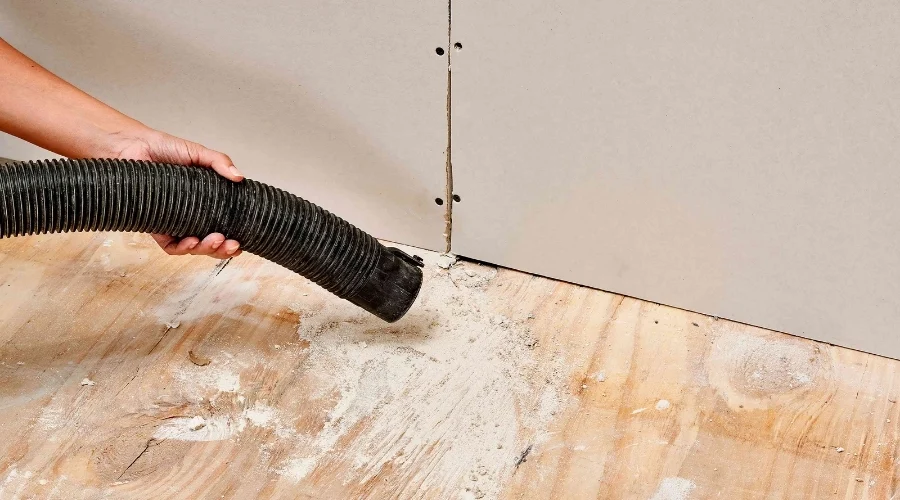
Every construction project that involves groundwork or excavation ends up with mud that has spread well beyond where the actual work happened. It gets walked in on boots, carried through on equipment, and tracked into spaces that were finished and cleaned before the muddy work even started. By the time the project wraps up, the mud has usually grown into a problem that nobody on the crew was hired to deal with.
Getting it cleaned properly requires the right equipment, the right products, and someone who understands that mud on a construction site behaves completely differently from the kind of dirt that a standard cleaning job is built to handle.

Every area mud has reached gets cleaned properly so the site comes back to a condition that is workable and ready for whatever still needs to happen on it.
The frustrating part about mud on a construction site is that it never stays where it started. It gets walked from the excavation area into finished interiors and pressed into surfaces that were never supposed to come into contact with it. Cleaning it properly means following it to every place it ended up rather than just hitting the obvious spots and leaving the rest.
Mud that gets left to dry on a surface bonds to it in a way that wet mud never does. What starts as a straightforward cleanup becomes a far more involved job once it hardens into the material underneath. Getting to it early always produces a better result, and when it has already dried we have the right approach to deal with that too.
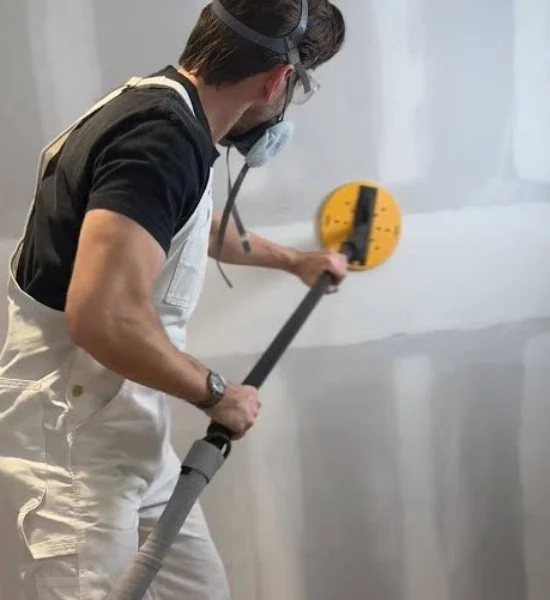
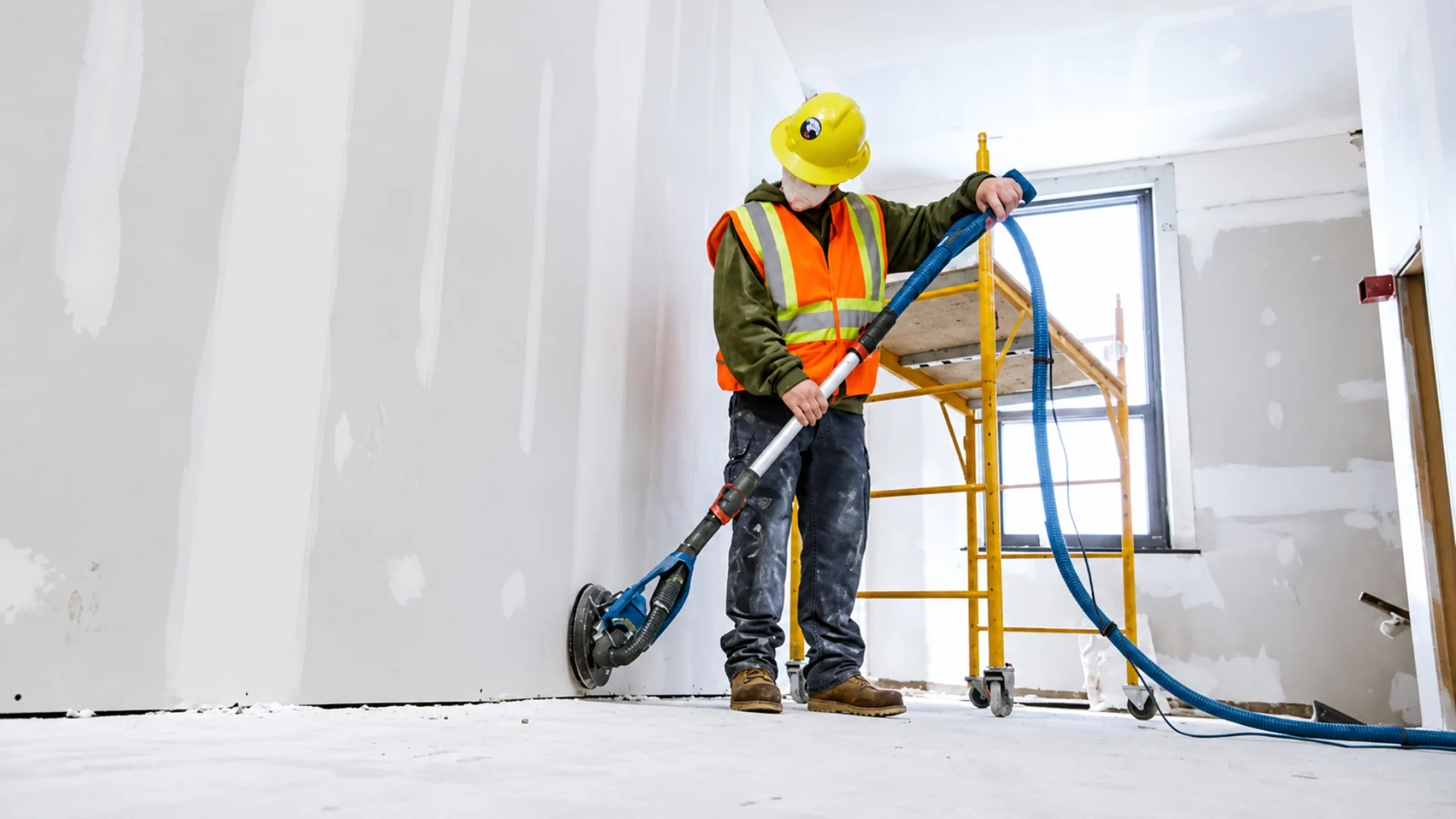
A project that has reached the finishing stage has surfaces that took serious time and money to get to that point. Mud sitting on new flooring or pressed into freshly finished walls is not a cosmetic issue. It causes real damage if it gets left there, and cleaning it off properly without causing further damage to the surface underneath is exactly the kind of job that needs the right hands on it.
Mud buildup on an active construction site creates safety risks and slows every trade working on it down. Keeping the site clear of mud as the work progresses means the project runs smoother, the risk of accidents drops, and nobody is trying to work around a cleanup that should have happened days ago.
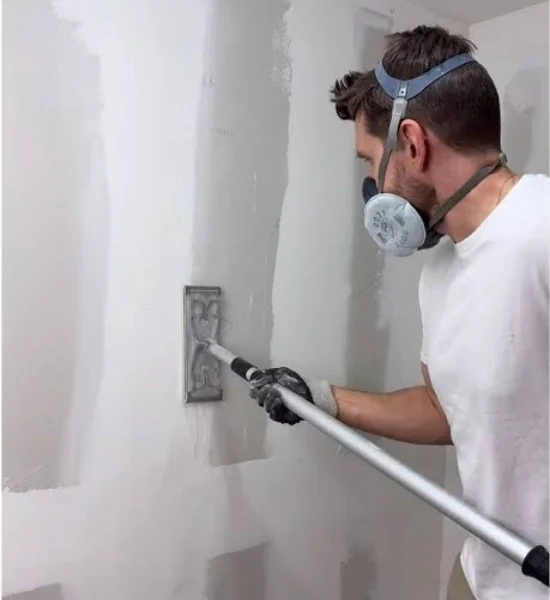
Mud cleaning does not have to wait until the project is fully wrapped up. We come in at whatever stage makes the most sense, work around whatever is still happening on site and get the affected areas cleaned without disrupting the work that still needs to be done.
The last thing a finished project needs is a mud situation waiting to be dealt with at handover. We make sure every surface that mud touched gets cleaned to a standard that reflects the quality of the build rather than the conditions it was built in.
Yes. Interior surfaces including flooring and walls get cleaned carefully with the right products so the mud comes off without damaging what is underneath.
Absolutely. We work around whatever is happening on site and clean as the mud accumulates rather than waiting for it to become a bigger problem.
Dried mud needs a different approach but it is not a problem. We have the right equipment and products to deal with hardened mud properly.
Yes. Driveways, pathways and exterior surfaces all get included in the cleanup so nothing gets left half done.
Get in touch with the details and we sort out the fastest available time based on what the site needs
Yes. Everything needed for the job comes with us so nothing needs to be sourced or arranged on the site beforehand.
Yes. Areas around heavy equipment that have accumulated mud and debris get included in the cleanup.
Based on the size of the area and the volume of mud involved. Get in touch and we sort a quote from there.
The approach gets adjusted for whatever surface is being cleaned so nothing gets damaged in the process.
Yes. Post excavation mud and debris removal is one of the most common jobs we deal with and it gets handled the same way as everything else. Thoroughly and completely.