
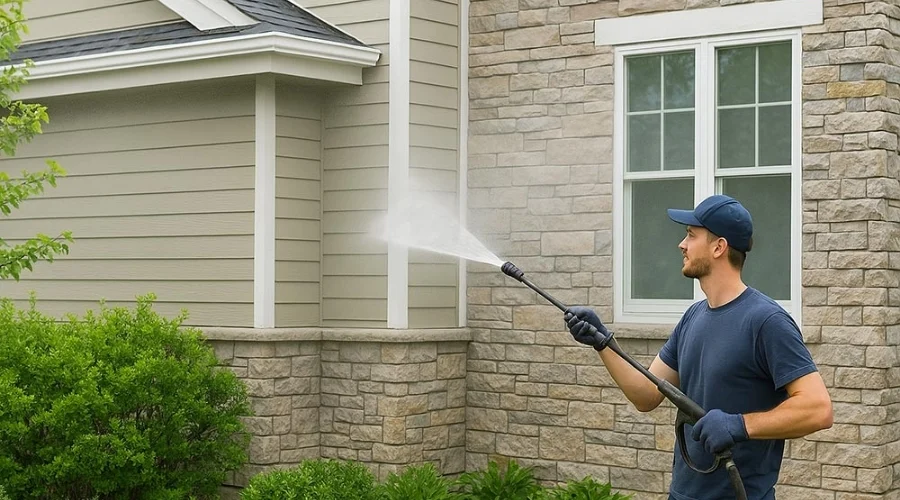
Every single day, the exterior of a property is up against something. Rain leaves behind residue that dries into the surface. The sun fades and breaks down materials that were built to last. Biological growth finds its way into every gap and groove and keeps spreading until something stops it. Most people only notice how far things have gone when they step back and look at the property from the street and realise it stopped looking the way it should a long time ago.
The exterior of a property does not maintain itself, and waiting for a convenient time to deal with it only makes the job bigger.

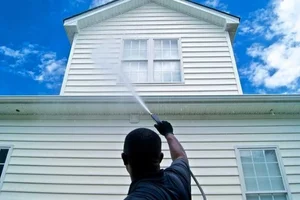

Every surface gets the right treatment for what it is made of so nothing gets damaged in the process and everything comes out properly clean rather than just wet.
The way a property looks from the outside affects its value in ways that go beyond how it photographs. A property that looks well-maintained holds its value better and attracts the right attention, whether that means potential buyers or simply the confidence that comes from owning something that looks the way it should. Exterior cleaning is one of the most cost-effective ways to maintain that standard without any structural work involved.
Once biological growth takes hold on an exterior surface, it spreads. It moves from the wall to the fence to the pathway and keeps going until the conditions that allowed it to start are addressed. Cleaning it off the surface early stops that process before it becomes something that requires more than a clean to fix.
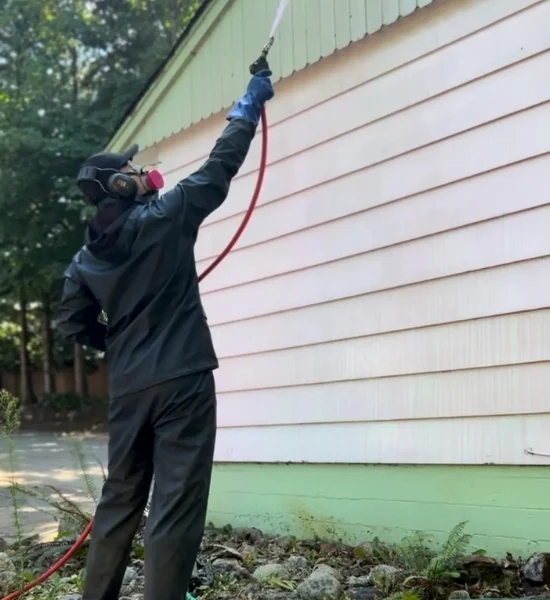
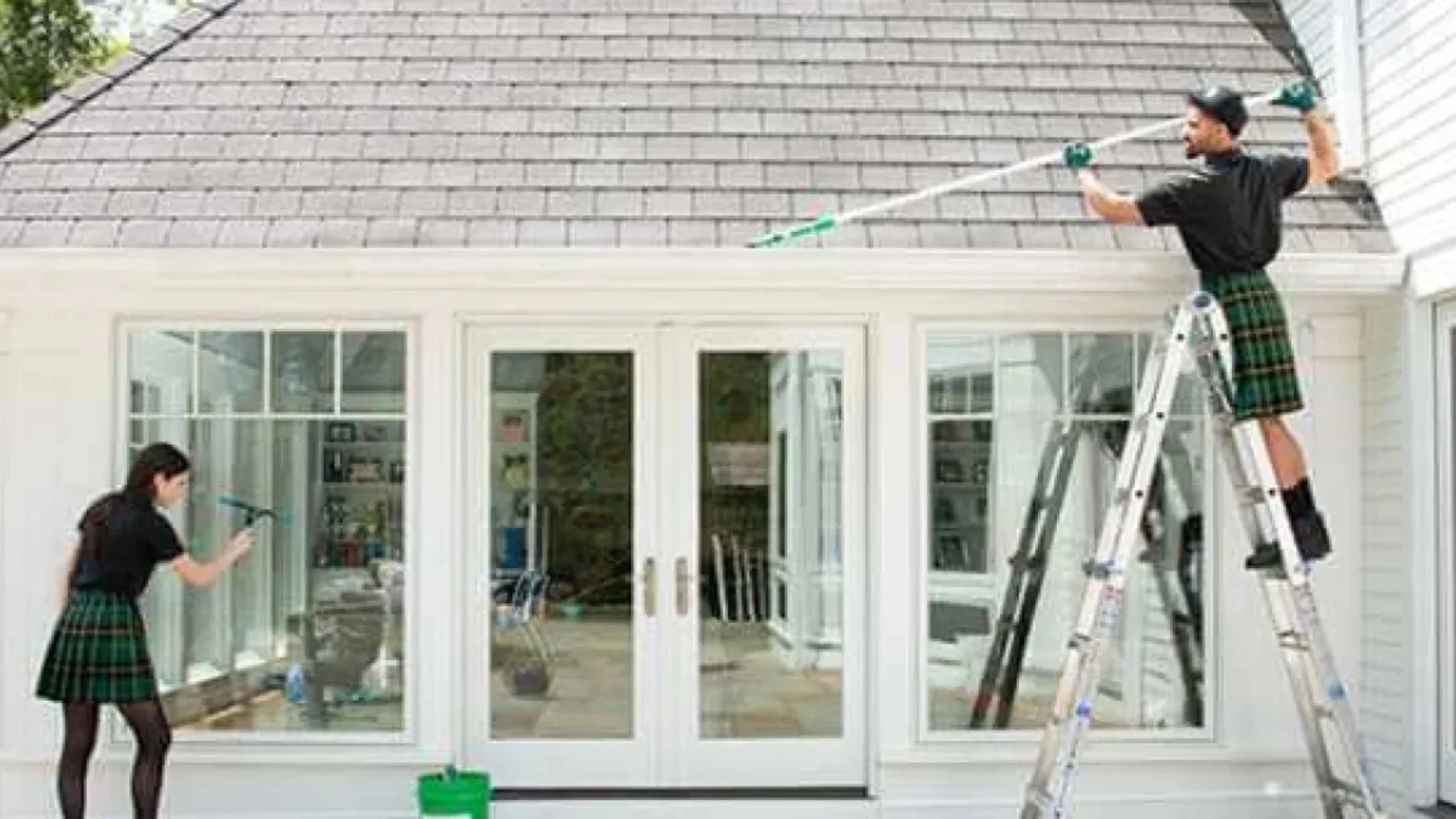
Brick and rendered walls, timber cladding, and vinyl siding all respond differently to cleaning, and treating them the same way produces inconsistent results at best and damage at worst. Understanding what each surface needs before starting is what makes the difference between an exterior clean that restores a property and one that creates new problems while solving the old ones.
A business with a neglected exterior sends a message before anyone ever walks through the door, and it is rarely the message the business intends to send. Keeping the exterior clean is one of the simplest ways a commercial property maintains the standard it wants to be associated with, and it requires far less effort than recovering a reputation once the impression has already been made.
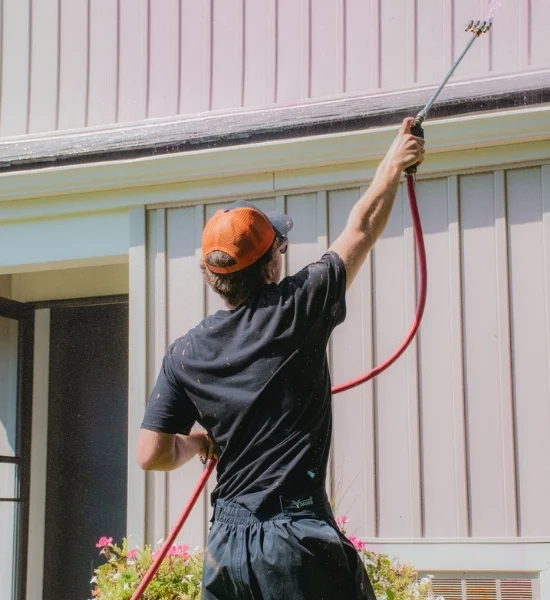
Properties that get exterior cleaning done on a regular schedule avoid the kind of deep-seated buildup that turns a maintenance job into a restoration. The cost of staying on top of it is always lower than the cost of dealing with a surface that has been left long enough for the damage to become something a clean alone cannot fully reverse.
Exterior cleaning done properly requires the right equipment and the right approach for every surface type on the property. We handle all of it and leave the outside of the property in a condition that reflects the standard of everything happening on the inside.
Yes. A full exterior clean covers every surface on the outside of the property, including driveways, pathways, walls, and any other areas that need attention.
It depends entirely on the size of the property. A standard residential exterior typically gets done within a few hours, while larger or heavily neglected properties take longer.
Rendered walls get cleaned at the appropriate pressure and with products suited to the surface so the finish stays intact. The approach gets adjusted based on the condition of the render before anything starts.
Once a year works well for most properties. Properties in high-moisture areas or surrounded by heavy tree coverage tend to need it more frequently because biological growth develops faster in those conditions.
Yes, but older timber needs a careful approach. The pressure and products used get adjusted specifically for aged timber, so the surface gets cleaned without causing any splitting or lifting of the material.
Anything close to the walls or in the direct path of the cleaning that could get damaged or moved by water pressure should be shifted beforehand. We will flag anything that needs to be moved when we assess the property.
We work carefully around planted areas and use products that are appropriate for the surrounding environment. Any areas of concern get identified before the job starts so nothing gets affected that should not be.
In most cases, yes. Heavily neglected surfaces with deep-set staining may need a follow-up treatment, but the majority of buildup, including biological growth and general grime, comes off in a single clean.